
Mumbai has been "done" a thousand times over by every travel guide out there — but most of them read like they were written without ever actually standing in the queue at Gateway of India during rush hour. This list mixes the essential landmarks with a few local favourites, organized so you can actually plan a route instead of bouncing across the city.
The Icons (First-Timers Start Here)
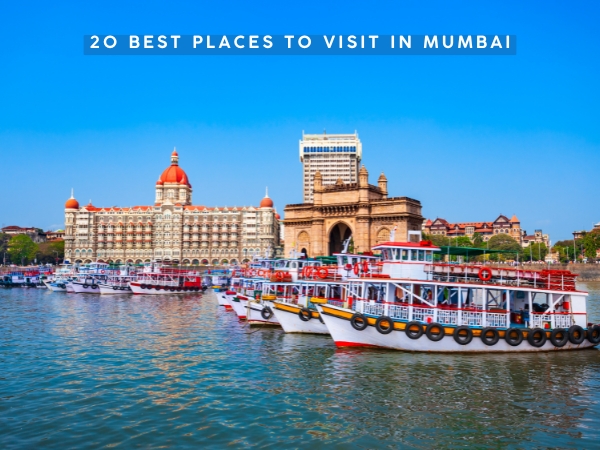
1. Gateway of India — the city's most photographed monument, best visited early morning or just after sunset to avoid the harshest crowds and heat.
2. Marine Drive — the sweeping seaside promenade nicknamed the "Queen's Necklace" for how the streetlights curve along the coast at night. Walk it at sunset.
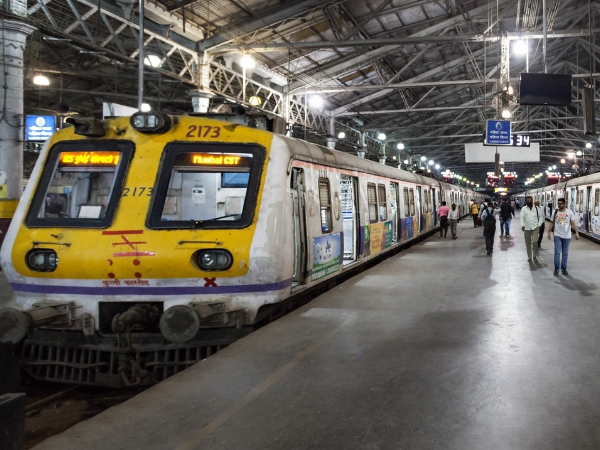
3. Chhatrapati Shivaji Maharaj Terminus (CST) — a UNESCO World Heritage Site and still a fully functioning train station. Worth seeing even if you're not catching a train from there.
4. Elephanta Caves — a short ferry ride from Gateway of India, these ancient rock-cut caves dedicated to Shiva are one of Mumbai's few UNESCO sites accessible as a half-day trip.
5. Haji Ali Dargah — a mosque and dargah built on an islet, connected to the mainland by a walkway that's submerged at high tide — check tide timings before visiting.
Neighbourhoods Worth Wandering
6. Bandra — cafes, street art, colonial-era bungalows, and Bandstand promenade. Best explored on foot over a few hours.
7. Colaba Causeway — a dense strip of shopping, street food, and people-watching, anchored near Gateway of India.
8. Dharavi — one of Asia's largest informal settlements and also a hub of small-scale industry; several respectful, community-led walking tours exist if you want context rather than just spectacle.
9. Khotachiwadi — a small heritage pocket in the middle of the city with Portuguese-influenced architecture, easy to miss unless you know to look for it.
10. Kala Ghoda — an arts precinct packed with galleries, cafes, and colonial architecture, best visited on a weekday when it's calmer.
Green and Open Spaces
11. Sanjay Gandhi National Park — a genuine forest inside city limits, with lion and tiger safaris, ancient Kanheri Caves, and hiking trails.
12. Hanging Gardens & Kamala Nehru Park — terraced gardens atop Malabar Hill with skyline views over the sea.
13. Juhu Beach — less about swimming, more about the evening atmosphere — food stalls, families, and one of the city's most iconic sunset spots.
14. Powai Lake — a quieter, more residential lakeside spot, popular for an evening walk away from the city's busier tourist circuit.
For Culture and History
15. Chhatrapati Shivaji Maharaj Vastu Sangrahalaya (CSMVS Museum) — formerly Prince of Wales Museum, home to an extensive collection spanning Indian art, archaeology, and natural history.
16. Dr. Bhau Daji Lad Museum — Mumbai's oldest museum, located in Byculla, with a strong focus on the city's own history.
17. Mani Bhavan — the Mumbai residence where Gandhi stayed during key periods of the independence movement, now a small but moving museum.
Hidden Gems Locals Actually Go To
18. Banganga Tank — an ancient stepped water tank tucked away near Malabar Hill, surprisingly peaceful given how central it is.
19. Sassoon Dock — Mumbai's oldest dock, especially atmospheric (and busy) in the early morning when the fishing boats come in.
20. Worli Sea Face / Worli Fort — a quieter alternative to Marine Drive with sweeping views of the Bandra-Worli Sea Link, especially good at sunset.
Planning Your Route
If you're short on time, group these by proximity rather than trying to zigzag the city:
- South Mumbai loop: Gateway of India → Colaba Causeway → Kala Ghoda → CST → CSMVS Museum
- Bandra/Worli loop: Bandra → Worli Sea Face → Haji Ali
- Nature day: Sanjay Gandhi National Park (needs most of a day on its own)
A Note on Timing
Mumbai's heat and humidity are real considerations — plan outdoor spots (Marine Drive, Worli Sea Face, Bandstand) for early morning or evening, and save museums and indoor spaces for the hottest part of the afternoon.