
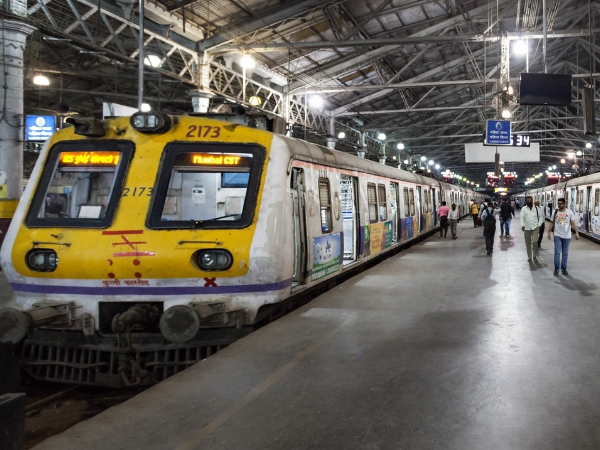
If you're moving to Mumbai or visiting for an extended stay, there's one skill you'll need faster than any other: riding the local train. Mumbai's suburban rail network moves over 7 million people every single day, and once you understand how it works, it becomes the fastest and cheapest way to get almost anywhere in the city. Here's everything a newcomer needs to know.
The Three Main Lines
Mumbai's local train network runs on three primary lines, and knowing which one you need is the first step.
Western Line runs from Churchgate to Dahanu Road, hugging the western part of the city — Bandra, Andheri, Borivali, and beyond. If you're headed to the western suburbs for work or college, this is likely your line.
Central Line runs from CST (Chhatrapati Shivaji Terminus) to Kasara/Khopoli, cutting through Dadar, Kurla, Thane, and the eastern suburbs. It's usually the more crowded of the two main lines during peak hours.
Harbour Line connects CST to Panvel and Andheri, running through Vashi, Belapur, and Navi Mumbai. If you're commuting to or from Navi Mumbai, this is your line.
Buying Tickets and Passes
You have three main options:
- Single/return tickets — bought at station counters or via the UTS app (Unreserved Ticketing System), which lets you buy tickets on your phone without queueing. Download this before your first ride.
- Monthly or quarterly passes — far cheaper if you're commuting daily. Passes are class-specific (First Class or Second Class) and route-specific, so buy one for your exact commute.
- First Class vs Second Class — First Class costs significantly more but gets you a less crowded compartment. Many daily commuters consider it worth the extra cost during peak hours.
Understanding Peak Hours
Peak hours are roughly 8:00–11:00 AM and 5:30–9:00 PM on weekdays. If you can shift your travel outside these windows, do it — the difference in crowd density is dramatic. Weekends and public holidays are noticeably lighter throughout the day.
Ladies' Compartments
Every local train has dedicated ladies' compartments, marked clearly on the platform and on the train itself (usually painted differently or marked "LADIES FIRST CLASS" / "LADIES SECOND CLASS"). These exist for a reason — they're genuinely safer and less crowded for women commuters, especially during peak hours. Men should never enter these compartments, and doing so can result in a fine or worse.
Platform and Boarding Etiquette
A few unwritten rules that will make your commute smoother:
- Let people exit before you board. This sounds obvious but is the single biggest source of platform chaos when ignored.
- Stand to the side of the doorway, not directly in front of it, while waiting.
- Move toward the centre of the compartment once inside, rather than clustering near the doors.
- Hold on to something at all times — trains don't always come to a complete stop before doors are approached by boarding commuters, and sudden jolts are common.
Safety Tips for Newcomers
- Avoid standing right at the open doorway during a moving train, however tempting the airflow — this is a real risk, not just a caution.
- Keep bags in front of you, not on your back, especially during crowded hours.
- Know your station's exit direction in advance (Google Maps shows this) — Mumbai stations often have multiple exits leading to very different parts of the neighbourhood.
- If you're unsure which platform, ask a fellow commuter or station staff rather than guessing — trains run frequently, so there's no harm in confirming.
Apps Worth Having
- UTS — for ticket booking
- m-Indicator — extremely popular among Mumbaikars for live train timings and platform info
- Google Maps — reliable for route planning between stations, including which line and interchange to use
A Few Realistic Expectations
Mumbai locals are crowded — that's simply the nature of a network built decades ago serving a city many times its planned capacity. It's also remarkably efficient once you know the rhythm. Most Mumbaikars will tell you the trains are one of the things they both complain about and quietly rely on every single day. Give yourself a few rides to get comfortable before attempting a peak-hour commute solo, and you'll find your rhythm faster than you'd expect.
Have a local train tip that helped you when you were new to Mumbai? Share it in the comments — we're building this guide with the community.